Rightsizing a Family Farm in Minnesota: One Family’s Unexpected Journey
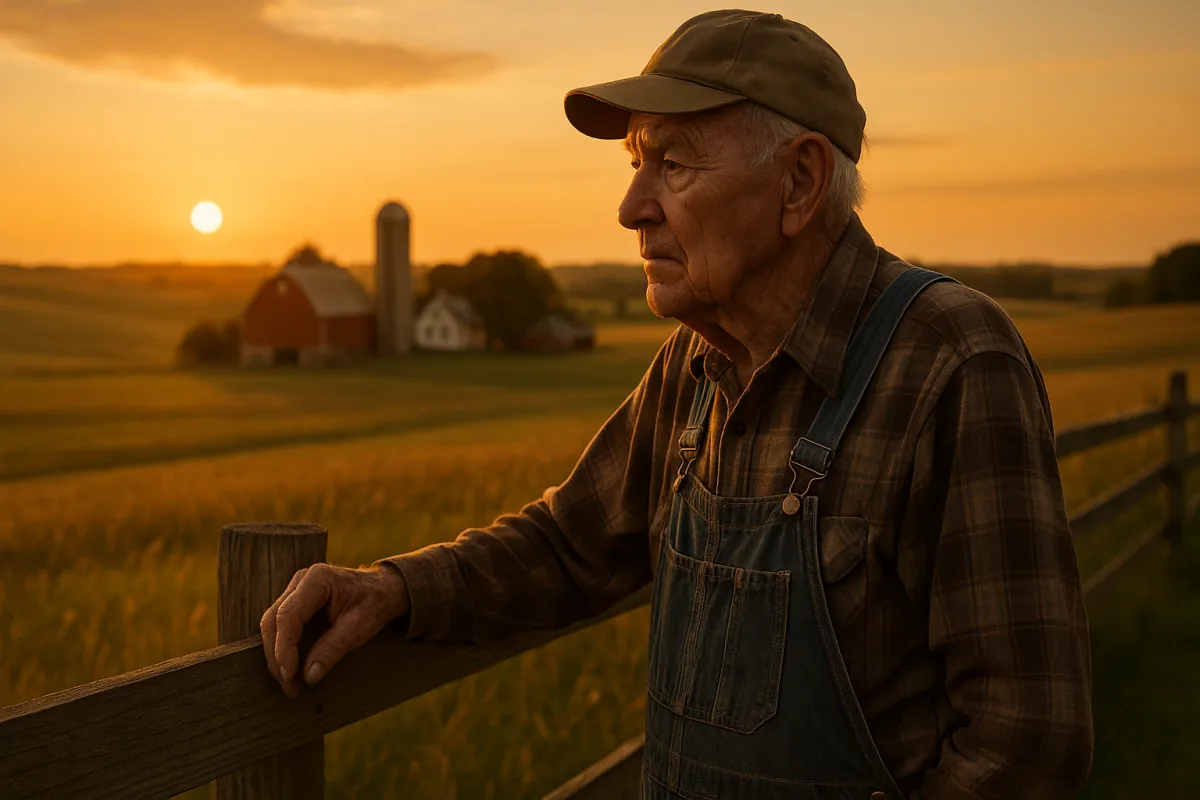
When Harold Lindgren first mentioned to his daughter that he was thinking about leaving the farm, she thought he was joking. Harold had farmed the same 240 acres outside Buffalo, Minnesota for 54 years. His parents had farmed it before him for 33 years. The farmhouse, the outbuildings, the stand of oaks at the property line — all of it was as much a part of Harold as his own name.
But Harold was 81. His wife of 52 years had passed two years prior. The house was too large, the winters too long, and the nearest neighbor too far away. He had done the math.
The First Conversation
His daughter Karen drove out from Rogers on a Sunday in late October. She expected a conversation about adding a part-time caregiver or installing a medical alert system. Instead, Harold had coffee ready and a legal pad on the table with notes.
He had already decided. He wanted to move to Buffalo, close to the coffee shop where he played cribbage on Thursday mornings, close to the church, close to Karen. He wanted a smaller space where the maintenance was handled and the neighbors were in the same building.
What he did not have was any idea how to make that happen — what to do with 87 years of accumulated farm equipment, household goods, family heirlooms, and the land itself.
The Complexity of a Farm Rightsizing
Rightsizing a farm is categorically more complex than rightsizing a suburban home. Beyond the household contents, the Lindgren family faced:
- Farmland disposition: Harold ultimately chose to lease the land to a neighboring farmer — preserving the agricultural use while providing ongoing income
- Equipment: A local farm equipment auction handled the tractors, implements, and outbuildings contents over a two-day sale
- The farmhouse itself: Listed with a real estate agent who specialized in rural properties in Wright County
- A century of accumulated belongings: The house contained items from Harold’s parents’ generation alongside his own — three generations of Minnesota farm life
The family worked with a professional organizer who had experience with farm estates, and with an estate sale company that ran the household sale the week after the equipment auction.
The Move — and What Came After
Harold moved into an independent living community in Buffalo in early spring — a deliberate choice so his first season would be one of renewal rather than Minnesota winter. His apartment was smaller than any room he had lived in since childhood. He hung six photographs on the wall and kept his coffee maker, his Bible, and three boxes of family photos.
He attended his first Thursday cribbage game the week after moving in. He already knew two of the regulars from church.
At Christmas, he told Karen: I do not miss the farm the way I thought I would. I think I missed it for years before I left. This is what I should have done sooner.
What the Lindgren Family Learned
- The land decision is separate from the housing decision. Harold leased the land long before he moved — separating that complicated process from the immediate move planning.
- A farm estate sale is a community event. Over 200 people attended the Lindgren equipment auction. The community participation was healing, not just transactional.
- The emotional readiness comes from the senior, not the family. Karen did not push Harold toward this decision. He arrived at it himself — and that made all the difference in how smoothly the transition went.
Explore More Stories of Success
- When Aging in Place Stopped Working: How a Big Lake Family Found a Better Answer
- From a 4-Bedroom Home to Independent Living: A Minnesota Senior Story
- We Should Have Done This Sooner: A Minnesota Senior Couple Rightsizing Story
- From Overwhelmed to Overjoyed: How One Wright County Family Rightsized with Confidence
Circle Partners works with Minnesota families navigating farm estates, rural property sales, and the full rightsizing journey. Contact us today for a no-obligation consultation in Wright County.